Spring-Summer 2025
Fashion Trends: What to Wear
01
1. Vibrant Colors
This season, bold colors are in the spotlight. Say goodbye to neutral tones and embrace vibrant shades like fuchsia, emerald green, and sunny yellow. These hues add a fresh, lively touch to any outfit. Whether it’s a summer dress or an accessory, don’t hesitate to showcase your personality!
02
2. Natural Textures
The trend towards sustainability continues to grow, reflected in the materials being used. Natural fabrics like organic cotton, linen, and hemp are in high demand. Not only are they eco-friendly, but they also provide unparalleled comfort during the hot summer days.
03
3. Oversized Silhouettes
The oversized style remains dominant. Shirts, jackets, and even pants are taking on generous proportions. This relaxed and comfortable look is perfect for everyday wear while still being chic. Pair an oversized shirt with fitted jeans for a perfect balance of comfort and style.
community favorites
4. Eco-Friendly Accessories
Accessories play a crucial role in completing an outfit. This season, invest in bags made from recycled materials, artisanal jewelry, and ethical sunglasses. Not only will you add a unique touch to your look, but you’ll also support sustainable fashion practices.
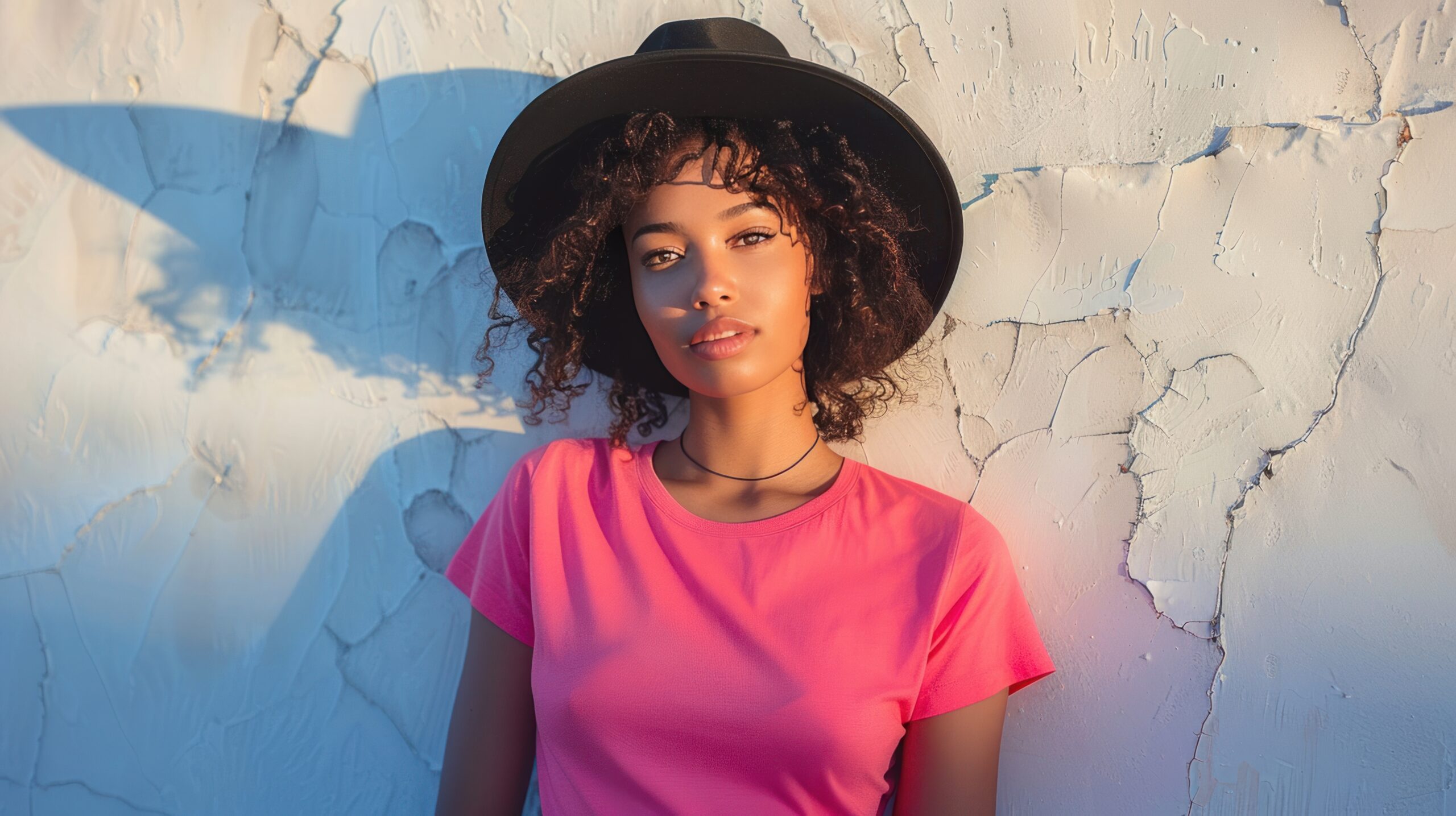
Spring-summer 2025 is all about vibrant colors, comfort, and sustainability. By incorporating these trends into your wardrobe, you’ll be ready to embrace the season in style. Visit our online store to explore our new collection and find the pieces that will make you shine this summer!
5. Floral Prints
Floral prints are timeless, and for 2025, they’re making a strong comeback. Whether it’s lightweight dresses, tops, or scarves, these patterns bring a romantic and feminine vibe to your wardrobe. Don’t be afraid to mix different prints for a bold and original look.
Ethical Fashion in 2025
A Sustainable and Responsible Future
By 2025, ethical fashion has gained significant traction, transforming not only the textile industry but also the way consumers perceive and engage with fashion.
This evolution is the result of a collective awareness of the environmental and social issues tied to the fashion industry.
A Heightened Awareness
Sustainable Materials
Responsible Production
Ethical production goes beyond using sustainable materials; it also encompasses manufacturing practices that respect workers’ rights. Brands committed to this path ensure fair working conditions, just wages, and reasonable hours. In 2025, the concept of « slow fashion » has become the norm, replacing the fast fashion model. Consumers now favor durable and timeless pieces, often made to order, thereby reducing waste.
The Circular Economy
Technology Supporting Ethical Fashion
The circular economy has gained momentum, with brands encouraging the repair, recycling, and resale of clothing. Second-hand and exchange platforms have proliferated, allowing consumers to give their garments a new life. By 2025, « take-back » initiatives incentivize customers to return worn items for recycling or repurposing, contributing to a reduction in textile waste.
Ethical fashion in 2025 represents a powerful movement towards a more sustainable and responsible future. While challenges remain, the commitment of consumers, brands, and innovators paves the way for a fashion industry that respects both people and the planet. Choosing ethical fashion is no longer just a trend; it is a moral imperative that is shaping the contemporary fashion landscape. By adopting sustainable practices, we can all contribute to a future where fashion aligns with conscience and respect.